

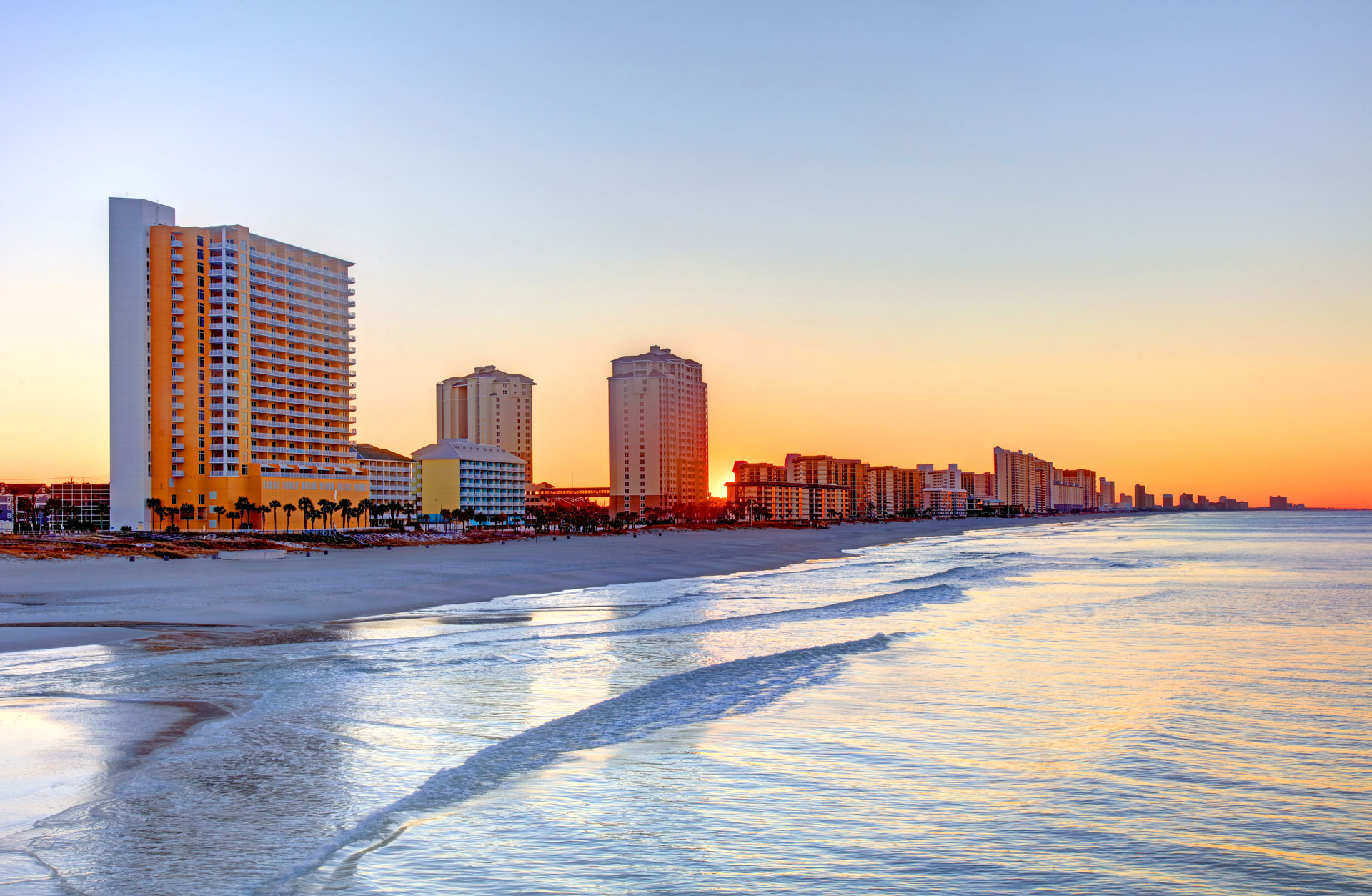
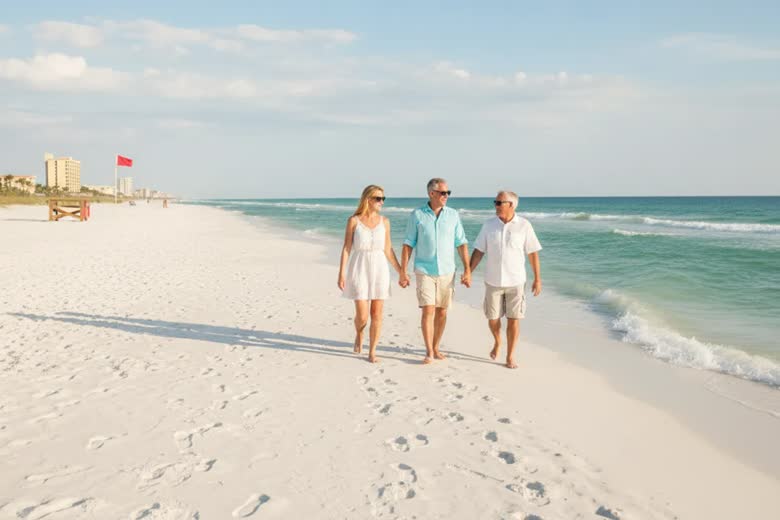
Planning around Panama City Beach beach conditions first time visitors may find unfamiliar can make a first Gulf Coast trip feel much easier. Surf, wind, water temperature, and beach flags can change how a day feels, so check current conditions rather than relying only on a seasonal forecast or a photo from another day.
Ask about a Panama City Beach stay
What should first-time visitors know about Panama City Beach conditions?
Panama City Beach is a Gulf Coast destination, but a beach day is not one fixed experience. Conditions can vary from morning to afternoon and from one stretch of shore to another. A calm-looking shoreline can still have a strong current, while a breezy day can make the water feel cooler than the air. The color of the water and the size of the waves do not tell the whole safety story.
Build your plans around three checks: the local beach warning flags, the latest weather forecast, and what you see and hear when you reach the beach. Follow posted signs and lifeguard directions. If you are unsure about the water, stay out and ask a lifeguard or beach official for guidance.
For trip planning, it also helps to separate conditions into two questions: Is it comfortable to spend time on the sand, and is it appropriate to enter the water? A day can be pleasant for a walk, beach games, or a picnic even when the surf is not suitable for swimming. Keeping those options open gives your group more ways to enjoy the coast.
How do Panama City Beach warning flags work?
Beach warning flags are an important part of checking conditions, not a substitute for your own judgment. The local flag guidance explains the system used on Panama City Beach beaches. Read the posted information when you arrive and check the flag station for current guidance. You can also review the Panama City Beach beach warning flag information before your trip.
Flags communicate changing surf and water hazards. Common systems use green for lower hazard, yellow for caution, red for high hazard, double red for water closed, and purple to indicate dangerous marine life. Always use the meaning displayed on local signage, since the flag raised for that day is the direction to follow. A flag color is not a promise that every swimmer will be safe, and conditions can shift during the day.
- Check before entering. Look for the flag at your beach access and read any accompanying sign.
- Recheck later. Conditions can change, so do not assume the morning flag remains in effect all afternoon.
- Keep children close. Stay within arm's reach of young children in or near the water, even in shallow areas.
- Respect a closure. If double red flags or an official closure are posted, do not enter the water.
- Ask when uncertain. A lifeguard or local beach official is a better source than a guess based on wave height.
Do not make a decision from the water's color alone. A clear, inviting view does not show what is happening below the surface. Avoid swimming alone, keep an eye on the shoreline, and leave the water if you feel tired or conditions worsen.
What should you expect from Gulf water temperature?
Water temperature changes over the year and can feel different from the air temperature. The temperature may also feel cooler after a cloudy stretch or when wind is blowing across the water. A source with monthly averages and seasonal trends can help set expectations: see the Panama City Beach water temperature overview. Treat seasonal information as a planning reference, not a real-time reading for your exact beach day.
If swimming is a priority, check a recent forecast and be ready to adjust. Bring a light cover-up for the walk back, especially for children who may get chilly after getting out of the water. If the water feels too cool or the surf is rough, you can still enjoy the beach from shore and shift swimming to another day.
Travelers comparing dates can also use Sail Away's Panama City Beach travel guide as a starting point for planning the broader trip. Keep in mind that a month-level average cannot predict the exact conditions during your stay. Pack layers that work for both a warm afternoon and a breezier evening.
How do wind, surf, and weather change a beach day?
Wind direction and strength affect how comfortable the sand feels, how much sea spray reaches your belongings, and how choppy the water appears. Strong wind can blow loose items around, so secure towels, hats, and lightweight beach gear. A cloudy or breezy day may still be a good day for a shoreline walk, but it may not feel like a long swim-and-sun session.
Check the forecast for more than the high temperature. Look at rain chances, wind, thunderstorm timing, and any advisories. Weather can change, and a forecast is not a guarantee. If thunder is nearby, leave the water and follow official safety advice. Do not wait for the sky to look dramatic before moving away from exposed beach areas.
When planning an outing, consider a simple backup. If the morning looks unsettled, schedule a flexible indoor activity or a meal, then check the beach again later. Sail Away's local activities and things to do guide can help you sketch alternatives. The events calendar is another place to look for options around your travel dates.
How can you tell whether the beach is comfortable for your group?
Comfort means more than air temperature. Think about sun exposure, shade, wind, surf, time of day, and how long your group plans to stay. Children, older adults, and anyone with mobility or health concerns may need more frequent breaks and a shorter walk from the rental or parking area.
- Bring drinking water, sun protection, and a way to create shade where permitted.
- Use footwear for hot sand and keep a dry layer available for the trip back.
- Choose a meeting point that everyone in your group can identify.
- Take breaks out of direct sun and pay attention to how everyone is feeling.
- Check access and parking details before you head out, especially with beach gear or small children.
If a beach day is not comfortable, it does not mean the day is lost. A cloudy interval can be a good time for a walk, a scenic drive, or a relaxed meal. Build a trip with room to change plans rather than tying every activity to one forecast.
Which conditions matter most when choosing a place to stay?
Your rental will not control the surf, but it can make a flexible plan easier. Consider how your group wants to use the beach and what you need when you return: room to prepare meals, sleeping space, a convenient location, or resort amenities. Compare the available options by your actual priorities instead of assuming every rental offers the same experience.
| Trip priority | What to compare | Why it helps |
|---|---|---|
| Easy beach-day routines | Location, access route, and how much gear your group will carry | A shorter or simpler outing can help when the weather changes or young children need a break. |
| Room for a group | Bedroom count, sleeping arrangements, and shared living space | Everyone can regroup comfortably after a long day outside. |
| Indoor flexibility | Kitchen, dining space, and the layout of the home or condo | A meal or rest break can be easier when conditions are breezy or rainy. |
| Resort experience | Resort location and amenities listed for the specific property | It helps you choose a stay that fits your group beyond the shoreline. |
| Longer or cooler-season visit | Availability for your dates and the terms shown for the rental | You can plan a comfortable base even when swimming is not the main activity every day. |
Start by exploring Panama City Beach vacation rentals and narrow the search to your dates and group size. If a condo-style stay suits your plans, review the Panama City Beach condo options. A house may be a better fit for a group that wants more shared space, so compare the vacation home listings as well.
Some travelers prefer to choose a resort first and then compare available properties there. Browse the Panama City Beach resort options and review each listing's specific details. Amenities can differ by property, so confirm what is included rather than relying on assumptions about an entire area or building.
What should first-time visitors pack for changing conditions?
A compact day bag helps you respond when the beach feels different from what you expected. Pack the basics for sun and water, then add a few items for wind or a quick change of plans. Avoid bringing more than you can carry comfortably from your access point.
- Sun protection and drinking water for each person.
- Light layers or a cover-up for breezy periods and the walk back.
- A towel and a dry change of clothes for children or anyone who may want one.
- A reusable bag for wet items and a secure place for personal belongings.
- Any necessary personal medication and a small first-aid kit.
- A phone with enough battery to check local conditions and keep your group in touch.
Check rental details before packing bulky items. A listing may describe what is available in the unit, but do not assume beach equipment, chairs, or other gear is included unless the listing specifically says so. If a detail will affect your trip, ask before arrival.
How should you plan a first beach day?
Make the first outing simple. Choose an access point, check the current flag and forecast, and set a time to reassess the conditions. If your group is unfamiliar with the beach, spend the first visit getting oriented instead of trying to fit every activity into one stretch of sand.
- Before leaving: Check the weather and local beach flag information. Pack water, sun protection, and a layer for the trip back.
- On arrival: Read the posted signs, locate the flag station, and identify a meeting spot.
- Before entering the water: Look for lifeguard directions and judge whether the conditions fit your group's abilities. Choose not to swim if you have doubts.
- During the visit: Keep children close, take breaks, and check for changes in wind, surf, or flags.
- Afterward: Leave time to rinse off, rest, and decide whether the next day should be a beach day or a backup-plan day.
Use the Sail Away guest FAQs for general booking and stay questions. For a question about a particular rental or your dates, use the contact path before making assumptions. The goal is not to predict every detail, but to give your group a plan that can adjust.
How can you make a flexible schedule around beach conditions?
A useful first-visit schedule has a main plan and an easy alternative. For example, begin with a morning check of the forecast and flags. If conditions are comfortable and the flag guidance allows it, head to the beach while everyone is rested. Keep the outing short enough that your group can return for lunch, water, and shade rather than feeling committed to stay until late afternoon.
If the surf or wind does not suit your group, change the activity instead of trying to force a swim. Take a shoreline walk if the area is open and conditions allow, have a meal, or explore another local activity. Check conditions again before returning. If weather is unsettled, move the beach visit to a clearer window and use an indoor option as a backup. An open schedule is especially helpful for families whose children may need a rest or a change of pace.
Do not rely on a tide chart, a past guest photo, or yesterday's weather as a substitute for current beach guidance. Those details may help shape expectations, but they do not tell you whether the water is safe now. Make the decision using current flags and official direction at the beach. If the water is closed or you have doubts, keep the outing on shore or choose a different activity.
How do different groups approach a beach day?
Every group has a different idea of a good beach day. A family with young children may value a short walk, a clear meeting point, quick access to shade, and the option to return to the rental without a long delay. A group of adults might plan a longer stay, but should still check flags, keep water nearby, and agree on where to regroup. Travelers with older relatives or mobility needs can look for an access route that suits the people in their party and avoid carrying more gear than they can manage.
For a multi-generational visit, decide in advance whether everyone needs to stay together or whether some travelers may prefer a shorter outing. Keep plans simple, share the meeting location, and make sure each person can contact the rest of the group. When someone is tired, overheated, or uncomfortable, treat that as a reason to pause. The best beach plan is the one the whole group can enjoy safely, not the one that lasts the longest.
Think about your stay in the same practical way. A rental with enough bedrooms and shared space can give people room to recharge at different times. A kitchen can make it easier to return for a meal and head back out later, while a property that fits your access and transportation needs may make short outings easier. Check the individual rental description for details instead of assuming that one feature applies to every unit in a resort or neighborhood.
Frequently Asked Questions
Are Panama City Beach conditions the same every day?
No. Wind, surf, weather, and water temperature can change, sometimes within the same day. Check the current local flag and forecast before heading out, and reassess when you arrive.
Can I swim if the water looks calm?
A calm appearance does not confirm that swimming is safe. Check the posted flag, follow lifeguard instructions, and stay out if the water is closed or you are uncertain about conditions.
What does a red flag mean at the beach?
Use the explanation on the local posted flag sign and follow current instructions. Beach flag systems generally use red to signal hazardous conditions, but the displayed local guidance is what matters for your visit.
Should I plan my whole trip around swimming?
It is better to include other activities and downtime. A flexible itinerary gives you enjoyable choices when surf, wind, rain, or water temperature makes swimming less appealing.
How can I find a rental that fits my beach plans?
Compare dates, group size, bedrooms, location, and the property details that matter most to you. Review the listing carefully and ask about any feature you need to confirm before booking.
Talk with Sail Away about your trip
Plan a flexible Panama City Beach stay
For a first visit, the most useful beach plan is one that leaves room for conditions to change. Check the flags and forecast, follow local guidance, and choose a stay that gives your group comfortable options on and off the sand.

 9902 South Thomas Drive